Final Exam Study Guide
The final exam is a 15-minute oral exam in my office, Kauke 111. No notes. Just a short conversation. You have been assigned a time on the Course Schedule.
The Aim of the Exam
The aim is to show that you can:
- Speak clearly and confidently about major themes and ideas of the course
- Using important historical examples from our course
- Explaining key theories we’ve discussed (and pointing out their insights and limitations)
- Showing how your research fits into the course
- Making connections across time
Think: Can I explain this course to an intelligent non-specialist?
The Structure of the Conversation
Expect roughly:
- Historical Developments (Part 1)
- Theories of News (Part 2)
- Case Studies (Part 3)
- Modern Media / Big Themes
- Your Research Paper
How to Prepare
Read through this study guide. Read through the course description and course schedule. Read through your notes. Read a bit in any readings you may have missed (or don’t remember) along the way. Review your written assignments. Highlight a list of major themes, key arguments, important examples. Pose each other some practice questions. Sit down with other students from the class and talk through the material. Good luck!
Major Themes
News as Power (The Fourth Estate)
- “Fourth Estate…” — Thomas Carlyle.
- News as a check on power
- Journalism as a pillar of democracy
- Connect to: Investigative reporting, Muckraking, Modern watchdog journalism
Journalism as Reform
- “Fight for progress and reform…” — Joseph Pulitzer
- Journalism as moral and political actor
- Examples: Pulitzer, Ida B. Wells, W. T. Stead
- Key question: Should journalism advocate or remain neutral?
Skepticism About News
- “Better informed than he who reads them…” — Thomas Jefferson
- News as:Biased, Misleading, Incomplete
- Connect to: Noam Chomsky, Media bias debates
The Public and Sensationalism
- “Insatiable curiosity…” — Oscar Wilde
- News shaped by audience demand
- Drives: Yellow journalism, Crime reporting, Clickbait today
Social Media Critique
- “Feedback loops…” — Franklin Foer
- Algorithmic news environment
- Echo chambers
- Misinformation
- Connect to: Fragmented public sphere, Decline of shared reality
Historical Development of News (Condensed)
Early Modern Period
- Print revolution of 15th century and its impacts
- Newsbooks, pamphlets, ballads
- Political and religious conflicts
- Protestant Reformation, Scientific Revolution, ideas of toleration
18th–Early 19th Century
- Growth of newspapers and pamphlets
- Press tied to revolutions – in British Colonies, France, Latin America
- Expanding literacy
Penny Press Revolution
- NY Sun, NY Herald, NY Tribune
- Moon Hoax
- Mass readership
- Commercial model
- Human-interest stories
- H.M. Stanley in the press
Other Examples of 19th c. PRess
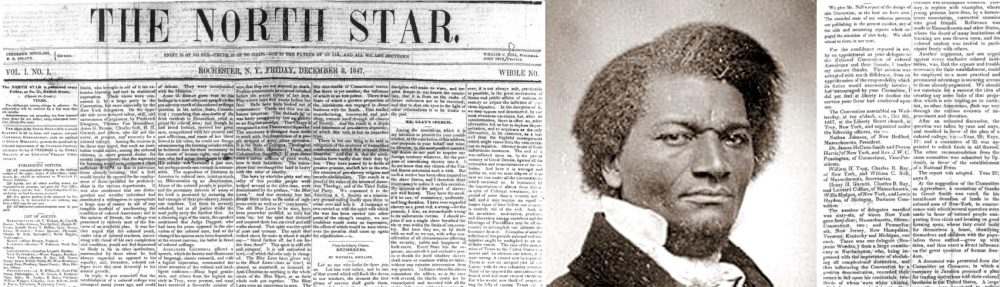
- African American & Abolitionist Press
- Ethnic Press
- Small town newspapers – see Tocqueville
Late 19th Century
- Sensationalism + reform
- W.T. Stead, Pall Mall Gazette
- Maiden Tribute of Modern Babylon
- Joseph Pulitzer, NY World
- William Randolph Hearst, NY Journal
- Jack the Ripper in the Press
20th Century
- Muckraking
- Professional journalism
- Objectivity (ideal vs reality)
- Radio
- Television
Digital & Social Media Era
- Collapse of gatekeeping
- Rise of platforms
- Crisis of trust
Theoretical Frameworks
Sociology of News — Michael Schudson
- News is constructed
- Journalistic norms matter
- Framing vs. Bias
- Critique of hypodermic model
Public Sphere — Jürgen Habermas
- Ideal: rational public debate
- Problem: commercialization, fragmentation
Manufacturing Consent — Edward S. Herman & Noam Chomsky
- Media reflects elite interests
- Cold War Context
Moral Panic — Stuart Hall
- Primary definers of news
- Media amplifies fear and reinforces authority
Imagined Communities — Benedict Anderson
- News creates national identity
Media Critique — Neil Postman
- News becomes entertainment
Historical Thinking
- History = Historia = Inquiry
- C’s of history
- Primary & Secondary Sources
- Historiography
- Arguments = thesis + evidence x analysis
- Historical thinking, evidence-based, multi-perspective
- Varieties of history: see Judith Walkowitz on feminist history for example